Japanese–American Divorce: Procedures & Visa Status
Divorce Between Japanese and American Citizens: Procedures, Legal Recognition, and Visa Status
Which Country’s Divorce Law Applies?
When a Japanese citizen and an American citizen divorce, the applicable law depends on their residence and other circumstances.
Under Article 27 of Japan’s Act on General Rules for Application of Laws, Japanese law applies if either spouse is a Japanese national who has their habitual residence in Japan.
Accordingly, Japanese law generally governs divorces between Japanese and American spouses who maintain their marital home in Japan.
Where the couple resides outside Japan, the applicable law requires a separate assessment.
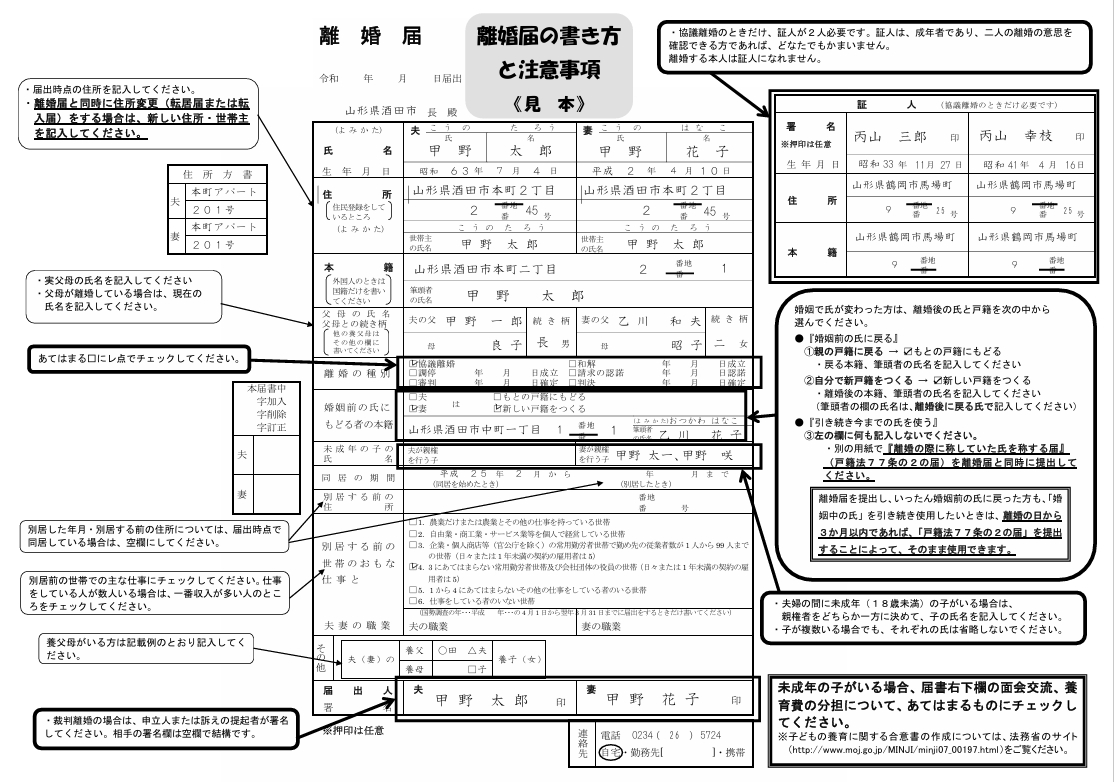
1. Divorce Procedures in Japan and the United States
Under Japanese law, divorce may be obtained through mutual agreement, family court mediation, judicial determination, or litigation.
Japan permits divorce by mutual consent (Kyogi Rikon), allowing spouses to end their marriage by submitting a divorce notification without court proceedings.
The United States does not have an equivalent nationwide administrative divorce system. Divorce is generally handled through state courts, although uncontested proceedings may be relatively straightforward.
Whether a Japanese divorce is legally recognized in the United States depends on the law of the relevant state and the circumstances of the divorce.
In particular, a Japanese divorce by mutual consent may not necessarily be recognized by every U.S. state.
Couples should consult a qualified U.S. family law attorney before selecting a divorce procedure, particularly where recognition in both countries is important.
Divorce Involving U.S. Military Personnel
Divorces involving American military personnel stationed in Japan may also involve military regulations concerning financial support for spouses and children.
Service members and their spouses should consult the relevant military Legal Assistance Office regarding applicable obligations and procedures.
2. Does a Japanese Divorce Need to Be Reported in the United States?
Where a Japanese–American couple divorces under Japanese law, there is generally no separate requirement to register the divorce with the U.S. Embassy or Consulate.
However, recognition of the Japanese divorce in the United States is a separate legal question.
Depending on state law, additional documentation or legal proceedings may be necessary.
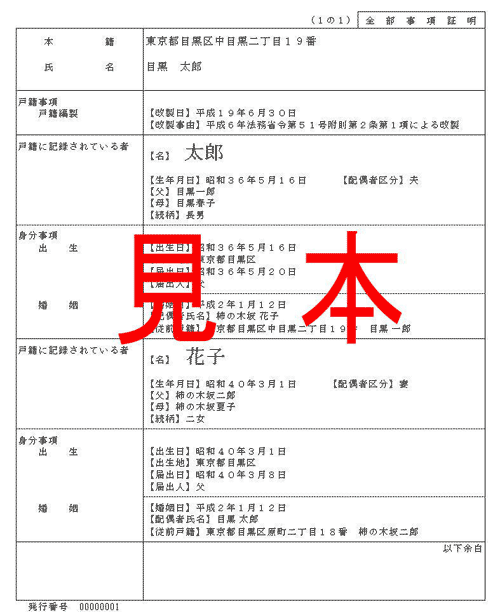
Couples should obtain appropriate Japanese divorce records and confirm their legal effect in the relevant U.S. state.
3. Reporting a U.S. Divorce to Japanese Authorities
Divorce procedures in the United States differ among states regarding residency requirements, court procedures, property division, child custody, and financial support.
Once a divorce is finalized by a U.S. court, the Japanese spouse generally must report the divorce to Japanese authorities so that it can be recorded in the Japanese family register.
The notification may be submitted to a Japanese embassy or consulate in the United States or to the relevant municipal office in Japan.
A divorce finalized under U.S. law must generally be reported within three months.
Typical supporting documents include:
- Japanese divorce notification
- Certified copy of the final U.S. divorce judgment or decree
- Japanese translation of the divorce judgment
- Other identification and family registration documents requested by the relevant authority
If the three-month period has passed, a written explanation for the late notification may be required.
Following acceptance, the Japanese spouse’s family register will be updated.
4. Residence Status After Divorce in Japan
An American national residing in Japan under Spouse or Child of Japanese National status must notify the Immigration Services Agency within 14 days of divorce.
Divorce does not automatically invalidate the existing residence card. However, the foreign national no longer meets the underlying marital relationship requirement.
Remaining in Japan without engaging in spousal activities for six consecutive months or longer, without a justifiable reason, may result in revocation of residence status.
American nationals wishing to continue residing in Japan should therefore consider changing to another appropriate residence status promptly.
Depending on their circumstances, possible options include:
- Long-Term Resident status, including certain cases following divorce
- Engineer/Specialist in Humanities/International Services
- Highly Skilled Professional
- Business Manager
Eligibility depends on the applicant’s employment, family circumstances, qualifications, and other applicable requirements.
Continental Immigration: Immigration Support Following Divorce
Continental Immigration Administrative Scrivener Corporation assists foreign nationals with residence status matters following divorce from a Japanese citizen.
Our services include evaluating eligibility for alternative residence statuses, preparing supporting documentation, and handling change-of-status applications.
As your Trusted Advisor, we provide professional immigration support based on each client’s circumstances.
https://en.continental-immigration.com/
Professional
 Masakazu Murai
18 years’ experience in Investment Banking at Mitsubishi UFJ Morgan Stanley (JV, MUFG Bank and Morgan Stanley). He had provided financial advisory more than 500 entrepreneurs and senior management.
During his tenure, he worked as an employee union executive committee member in promoting diversity, including the active participation of foreigners and women in the office, and engaged in activities to improve the working environment. He specializes in financial consulting and VISA/PR consulting.
Gyoseishoshi Immigration Lawyer, 東京都行政書士会 港支部 副支部長
CMA(Japanese financial analyst license)
CFP (Certified Financial Planner)
Master of Business Administration in Entrepreneurship