Japan–Singapore Marriage Registration & Spouse Visa Guide
Marriage Between Japanese and Singaporean Citizens: Registration Procedures and Spouse Visa Requirements
International Marriage & Japan Immigration Law
How Can a Japanese Citizen Marry a Singaporean National?
A marriage between a Japanese citizen and a Singaporean national may be registered in either Japan or Singapore.
For the Singaporean spouse to subsequently obtain the Japanese residence status known as Spouse or Child of Japanese National, the marriage must be legally valid and properly documented under the applicable laws.
Singapore has two distinct marriage registration systems:
- Registry of Marriages (ROM): Civil marriages, generally governed by the Women’s Charter.
- Registry of Muslim Marriages (ROMM): Muslim marriages governed by applicable Muslim marriage laws.
 The eligibility requirements differ. For example, civil marriage generally requires both parties to be at least 21, although marriages involving younger individuals may be permitted subject to additional conditions. Muslim marriages are governed by separate requirements.
Couples should therefore confirm which registration system applies before beginning the procedures.
1. Should You Marry in Japan or Singapore First?
Either approach is possible.
The appropriate choice depends on where the couple currently resides, the documentation required, the time needed to complete registration, and where they intend to establish their married life.
After completing the relevant marriage formalities, the Singaporean spouse may apply for a Japanese spouse visa.
Japanese immigration authorities will also examine the authenticity of the marriage and the couple’s financial circumstances.
2. Getting Married in Japan First
Where the couple chooses to marry in Japan, the process generally involves two steps.

Step 1: Obtain a Statutory Declaration From the Singapore Embassy
The Embassy of Singapore in Tokyo does not issue a Certificate of No Impediment to Marriage.
Instead, the Singaporean national executes a Statutory Declaration of Marital Status before a consular officer.
The couple must make an appointment with the Embassy.
Typical documents include:
- Digital Marriage Search Result issued by ROM or ROMM, as applicable
- Passports of both prospective spouses
- Statutory Declaration form
- Divorce documents, if previously married
The Embassy currently requires the relevant marriage search results to be recent, generally issued within three months.

Step 2: Register the Marriage at a Japanese Municipal Office
After obtaining the Statutory Declaration, the couple submits a marriage notification (Kon-in Todoke) to the appropriate Japanese municipal office.
Typical documents include:
- Statutory Declaration and Japanese translation
- Singaporean spouse’s birth certificate and translation
- Passports and identification documents
- Residence card, if applicable
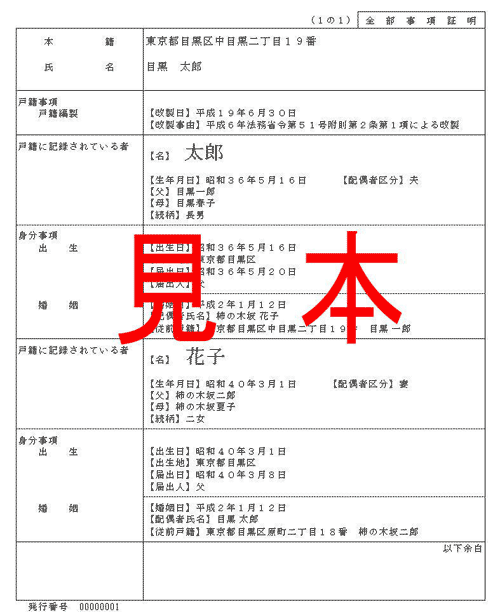
- Japanese spouse’s family register (Koseki Tohon, 戸籍謄本), where required
- Marriage notification signed by two adult witnesses
Exact requirements may vary by municipality.
Once the marriage is accepted, it becomes legally effective under Japanese law.
A marriage validly concluded in Japan generally does not need to be registered again with Singapore’s ROM to be recognized in Singapore. Registration of an overseas marriage in Singapore is generally voluntary and administrative.
3. Getting Married in Singapore First
For a civil marriage in Singapore, the couple generally completes the following procedures through the Registry of Marriages.
Step 1: Submit a Marriage Application to ROM
The marriage application is submitted through Singapore’s Our Marriage Journey online portal.
Under the current civil marriage procedure:
- The application must generally be submitted at least 21 days before the solemnisation.
- A marriage application is valid for six months.
- Two witnesses are required.
- The couple must complete the applicable declaration and document-verification procedures.
Additional requirements may apply depending on the couple’s ages, previous marriages and immigration circumstances.
Step 2: Complete the Marriage Solemnisation
The marriage ceremony may be conducted at ROM or another authorized venue, including approved remote arrangements where applicable.
The couple, two witnesses and an authorized solemniser participate in the ceremony.
Once the marriage has been registered, an official Singapore Certificate of Marriage is issued.
Step 3: Report the Marriage to Japanese Authorities
After completing the marriage in Singapore, the Japanese spouse must report the marriage to Japan.
The notification may be submitted to the Embassy of Japan in Singapore or the appropriate municipal office in Japan.
The general deadline is three months from the date of marriage.
Typical supporting documents include:
- Japanese marriage notification
- Singapore Certificate of Marriage
- Japanese translation of the marriage certificate
- Identification and nationality documents
- Japanese family register, where required
The Embassy of Japan advises that updating the Japanese family register through an embassy notification generally takes approximately one month. Direct submission to the relevant municipal office in Japan may be faster.
Once the marriage is reflected in the Japanese family register, the couple can proceed with the relevant spouse residence status application.

4. Applying for a Japanese Spouse Visa After Marriage
Marriage registration and immigration permission are separate procedures.
After the marriage is properly documented, the Singaporean spouse may apply for Spouse or Child of Japanese National status.
The application generally requires evidence of:
- A legally valid marriage
- A genuine and continuing marital relationship
- Sufficient financial resources to support the household in Japan
- Appropriate accommodation and intended living arrangements
If the Singaporean spouse currently resides overseas, the standard procedure generally involves obtaining a Certificate of Eligibility (COE) before applying for a Japanese visa.
If the spouse already holds a qualifying residence status in Japan, a change-of-status application may be appropriate.
Continental Immigration: Japanese–Singaporean Marriage and Visa Support
Continental Immigration Administrative Scrivener Corporation assists international couples with Japanese marriage-related documentation and spouse residence status applications.
Our services include application planning, document preparation, Certificates of Eligibility, and changes of residence status.
As your Trusted Advisor, we provide professional immigration assistance tailored to each couple’s circumstances. For example, when documenting income earned in Singapore, we may use Form IR8A, a Notice of Assessment issued by the Inland Revenue Authority of Singapore (IRAS) confirming the assessed income and tax liability, or an Income Tax Return reflecting the income declared to the tax authorities.
We will review the circumstances of your case and advise you on which documents would be most appropriate to support your application.

Continental Immigration Administrative Scrivener Corporation
International Marriage | Japanese Spouse Visas | Family Immigration
https://en.continental-immigration.com/
Disclaimer: Marriage registration and immigration requirements may vary according to nationality, religion, age, residence history and individual circumstances. Applicants should confirm current documentary requirements with the relevant authorities before submission.
Professional
 Masakazu Murai
18 years’ experience in Investment Banking at Mitsubishi UFJ Morgan Stanley (JV, MUFG Bank and Morgan Stanley). He had provided financial advisory more than 500 entrepreneurs and senior management.
During his tenure, he worked as an employee union executive committee member in promoting diversity, including the active participation of foreigners and women in the office, and engaged in activities to improve the working environment. He specializes in financial consulting and VISA/PR consulting.
Gyoseishoshi Immigration Lawyer, 東京都行政書士会 港支部 副支部長
CMA(Japanese financial analyst license)
CFP (Certified Financial Planner)
Master of Business Administration in Entrepreneurship